
Portugal Towards Sustainability
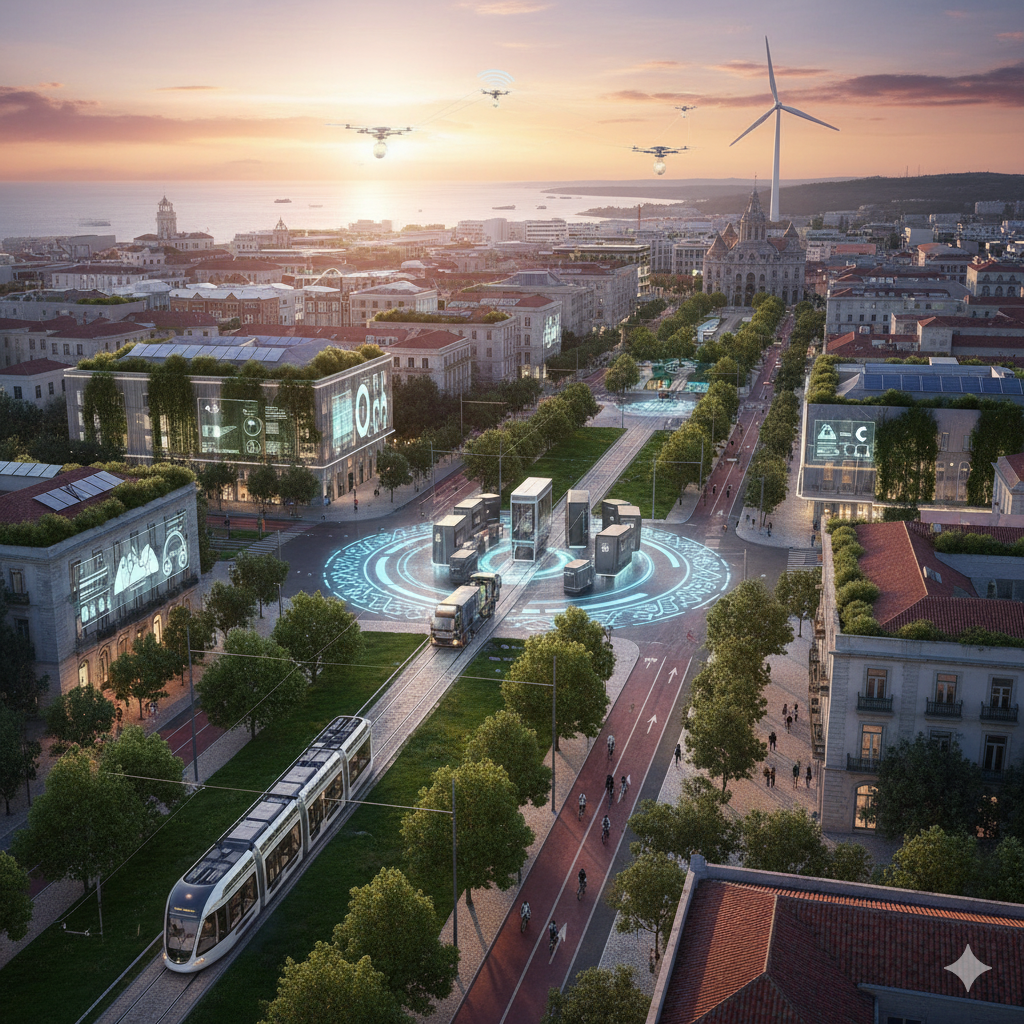
Portugal Towards Sustainability
Portugal Towards Sustainability 2.0: The Role of the Circular Economy and Smart Cities in Urban Development
Portugal Towards Sustainability 2.0: The Role of the Circular Economy and Smart Cities in Urban Development is a title that deserves the utmost attention.
Portugal is undergoing a profound redefinition of its development model, transitioning from a linear consumption economy to a future that aims to be intrinsically more sustainable and intelligent. This transition, called Sustainability 2.0, is driven by two interdependent and crucial concepts: the Circular Economy and Smart Cities. Far from being mere buzzwords, these approaches represent the fundamental strategy for improving the quality of urban life, optimizing resources, and reducing the country's ecological footprint, aligning it with the European Union's climate goals.
The Circular Economy breaks with the traditional model of "extract, produce, use, and throw away" and proposes a virtuous cycle where products, materials, and resources are kept in use for as long as possible. In Portugal, this philosophy is being applied in various sectors. In waste management, the focus has shifted from simple recycling to prevention and reuse, with initiatives promoting repair and sharing, combating waste in a structural way. In the water sector, for example, investment in treated wastewater reuse systems (water for non-potable uses such as irrigation or urban cleaning) is a significant step towards alleviating pressure on water resources, a growing vulnerability in the context of climate change. Similarly, in the food sector, coordinated efforts aim to reduce waste from production to consumption, transforming what was once garbage into a resource, whether through donation or composting.
At the same time, the concept of Smart Cities emerges as the technological vehicle for implementing circularity in the urban environment. A Smart City is not just a city with more sensors, but one that uses technology to optimize the management of its resources in real time, making it more efficient and responsive to the needs of its inhabitants. Portuguese municipalities, from Lisbon and Porto to medium-sized cities, are investing in advanced remote management systems. In transport, this translates into systems that adjust bus frequency according to real demand, reduce congestion, and promote soft mobility (bicycles and electric vehicles), using electricity intelligently. In energy management, public buildings and LED lighting networks are digitally monitored to minimize consumption, while in waste management, sensors placed in containers communicate their fill level, allowing for optimized collection routes that save fuel, time, and resources.
Guimarães, for example, is a case study in Portugal, having been elected European Green Capital 2026. Its focus is on an integrated long-term strategy (Guimarães 2030) that combines technology, circular economy and community involvement. The EcoQuiosques RRRCiclo project focuses on the concession and operation of kiosks whose mission is the Reduction, Reuse, Recovery and Recycling (RRRCiclo) of waste, integrating the circular concept into the city's commercial fabric.
The city of Águeda stands out for its strong commitment to soft mobility, intelligent waste management, and sustainable tourism, earning international recognition (it is part of the Class A list of the Carbon Disclosure Project – CDP). The Águeda Sm@rt City Lab project is a living laboratory run by Living Place – Animação Turística since 2020, and is the driving force behind several decarbonization initiatives, many of which focus on the intelligent management of urban resources. However, Águeda also distinguishes itself through actions such as the Águeda River Cleanup. The city has demonstrated a strong commitment to the health of its water resources, carrying out continuous waste collection actions in the Águeda River with the involvement of the community (green ambassadors), a strategy recognized by the European Commission.
This dual approach – Circularity as the strategic objective and Urban Intelligence as the technological tool – places the citizen at the center of the development process. Portugal's true success towards Sustainability 2.0 depends on behavioral change and the active participation of each resident. The citizen is the direct beneficiary of a cleaner city, with better air quality and more efficient transport, but is also the actor who, through their consumption choices and the use of new digital platforms for sharing and information (which can, for example, indicate the best way to dispose of a specific waste), feeds the system with the data and actions necessary for the circular cycle to close. Ultimately, Portugal's vision as a country at the forefront of modern sustainability requires a continuous commitment to innovation, adequate regulation and, above all, the recognition that future prosperity lies in how we use, reuse and value our planet's scarce resources, ensuring that our cities are not only technologically advanced, but intrinsically resilient and vibrant.
(The images in this article were generated by AI)
1 – What is the concept of “Sustainability 2.0” and how does it apply in Portugal?
Sustainability 2.0 represents the transition from a linear consumption model to an inherently more sustainable and intelligent future. In Portugal, this concept is based on the union between the Circular Economy—which keeps products and resources in use for as long as possible—and Smart Cities, which use technology to optimize urban management in real time. This approach aims to improve quality of life, reduce the ecological footprint, and align the country with the ambitious climate goals of the European Union.2 – What is the role of Smart Cities in implementing the Circular Economy in an urban environment?
Smart Cities function as the technological vehicle for circularity. Through remote management systems and sensors, Portuguese municipalities are able to optimize waste collection, reduce energy consumption in public buildings, and promote soft mobility. Cities like Águeda and Guimarães are successful examples, using living labs and digital technologies to monitor water and energy resources, ensuring that the circular cycle closes efficiently and with less waste.3 – How can citizens contribute to Portugal's success on the path to sustainability?
The success of this transition depends on the active participation and behavioral change of each resident. Citizens are both beneficiaries of cleaner cities and the main actors who fuel the system through their consumption choices and the use of digital sharing platforms. Initiatives such as the Águeda River Cleanup and the involvement of "green ambassadors" demonstrate that individual commitment is essential to transforming cities into resilient, vibrant, and sustainable ecosystems.
Recent Posts

The Best Artificial Intelligence Tools to Optimize Your Daily Life in 2026
The Future of Regenerative Tourism and Smart Land Management
Tags

Routes
Score faster
+351 916 717 442
+351 910 741 061
