
Sustainability
European Union
Legal Notice: The use of the European Union emblem marks our alignment with European best practices and standards for sustainability and tourism. Living Place is an independent private entity.
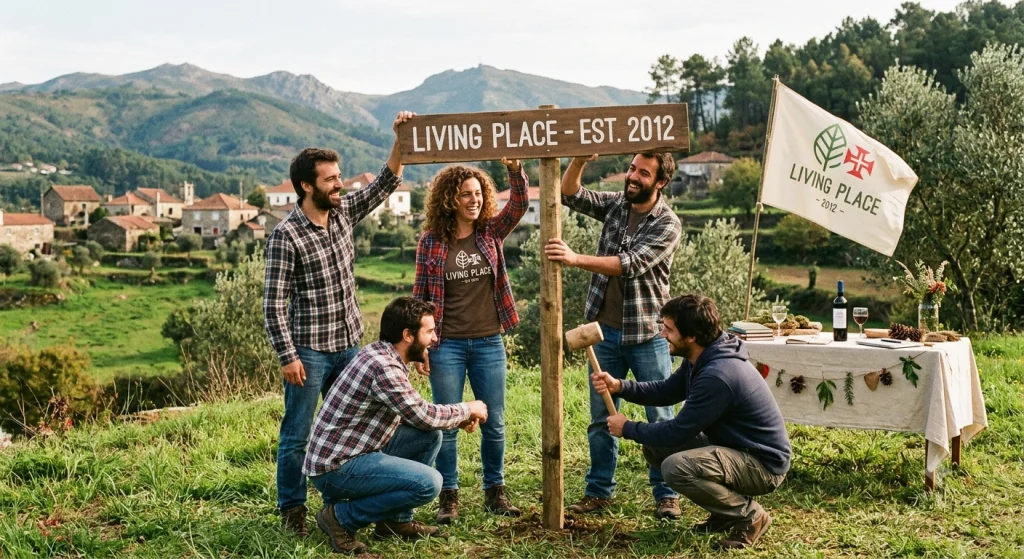
In 2012, Living Place was born, driven by a passion for nature tourism, tourist activities, and discovering the territory in Portugal. From day one, our commitment has been to create authentic, memorable experiences with a strong connection to the communities, laying the foundations for the innovation in events and group dynamics that we develop today, always taking into account issues of Sustainability and Nature Protection.
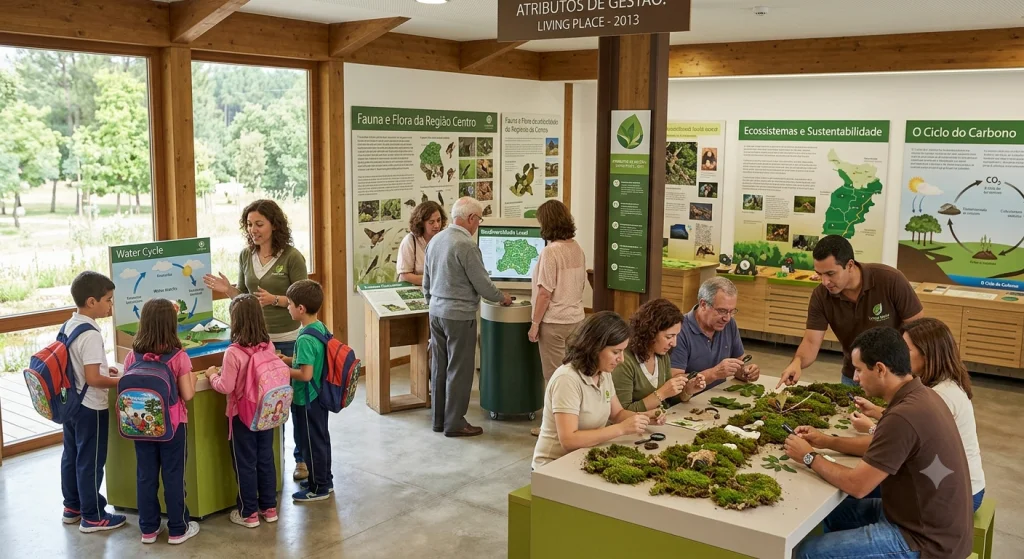
In 2013, Living Place took a decisive step in consolidating its educational approach by designing, opening, and implementing the Environmental Interpretation Center (CIA) in Mealhada. Located within the City Park, this project became a landmark in regional environmental education, promoting educational workshops, sustainability programs for schools, and awareness-raising activities for the community. This achievement reinforced our expertise in managing environmental spaces and valuing natural and cultural heritage.

In 2014, Living Place took over the management of ECO Quinta Villa Maria, a forest ecosystem and space of high historical and cultural value to the region. Under our guidance, the space was promoted with a focus on biodiversity conservation, sustainable tourism, and the promotion of immersive experiences connecting with nature, combining the preservation of forest heritage with the revitalization of local culture.
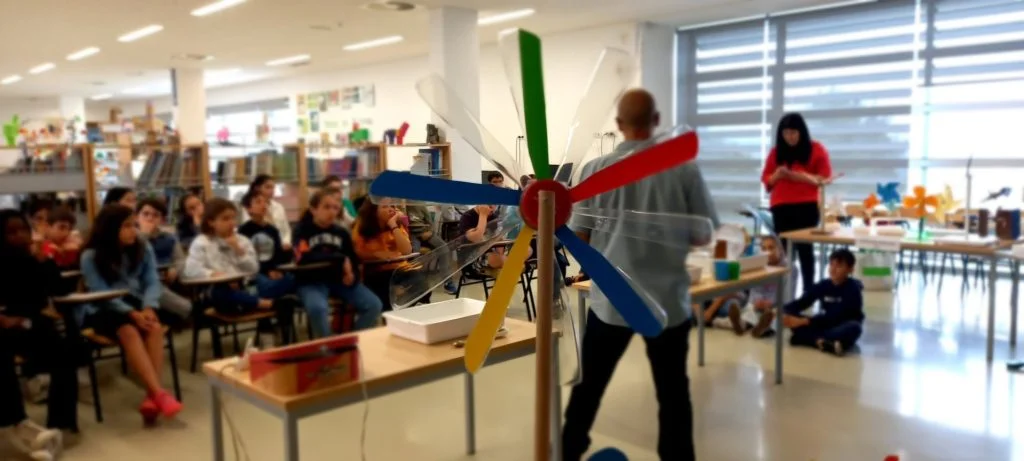
In 2020, Living Place began managing and promoting the Águeda Sm@rt City Lab, an innovative project of the Águeda City Council focused on decarbonization, energy efficiency, and sustainable mobility. As a Living Lab, this space has become a central hub for environmental education, testing of clean technologies, and community engagement, promoting educational activities with schools, businesses, and citizens in pursuit of a greener and smarter city.
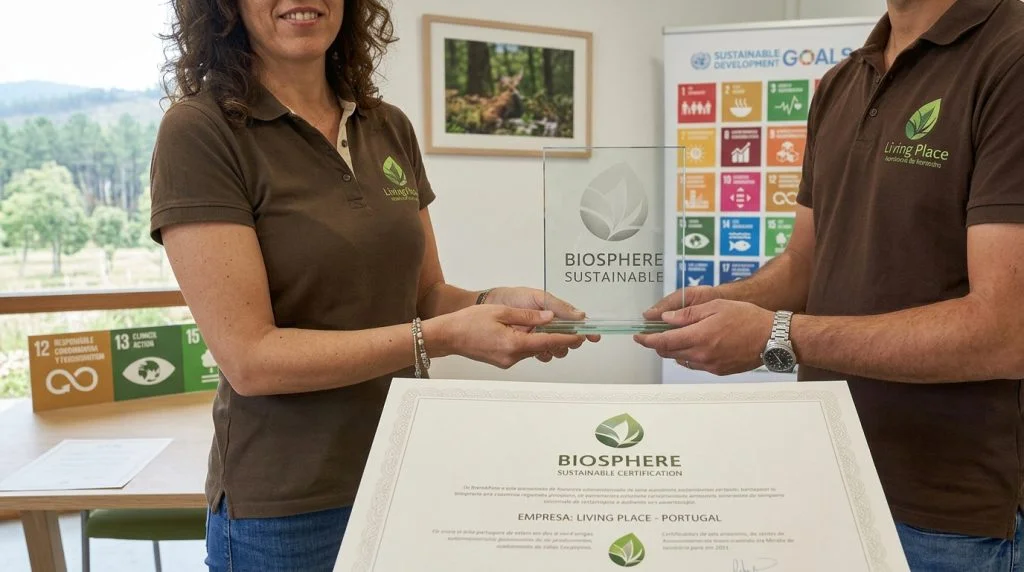
In 2021, Living Place achieved the prestigious Biosphere International Certification, a recognition that attests to the alignment of its practices with the Sustainable Development Goals (SDGs) of the United Nations' 2030 Agenda.
This certification reinforces the organization's commitment in key areas such as:
Environmental Sustainability: Reducing the ecological footprint and preserving natural resources.
Social and Cultural Responsibility: Promoting inclusion, respect, and appreciation for the local community.
Efficient and Transparent Management: Adopting best practices in sustainable tourism and space management.
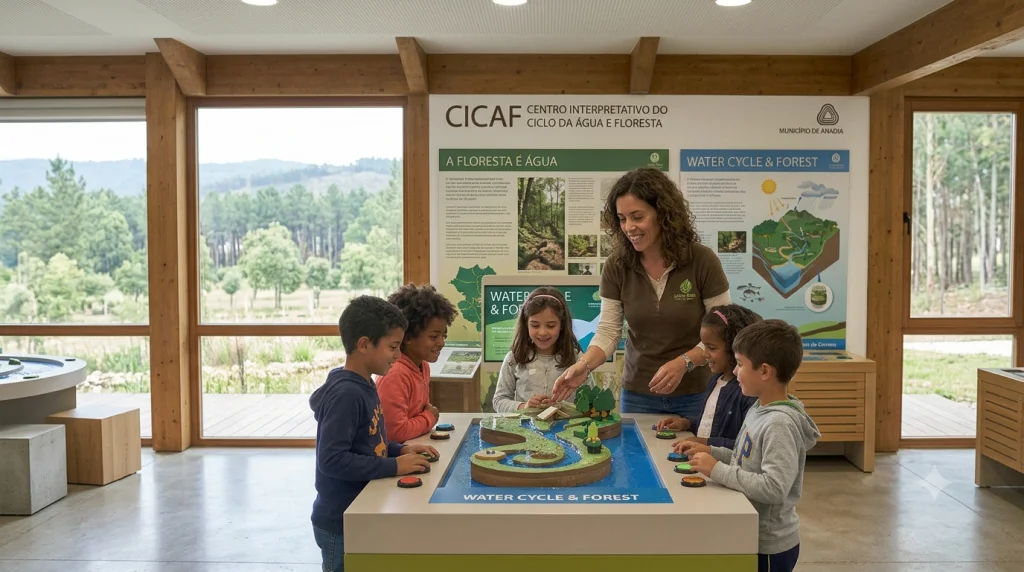
In 2021, Living Place implemented the CICAF (Interpretive Center of the Water and Forest Cycle) in partnership with the Municipality of Anadia.
Objectives and Relevance of CICAF:
Environmental Awareness: Promoting awareness of the vital importance of water and forest preservation.
Education and Learning: To serve as a pedagogical meeting point for schools, families, researchers, and visitors in general.
Valuing Natural Heritage: Highlighting the richness of the local ecosystems in the municipality of Anadia, relating water resource management to forest biodiversity.
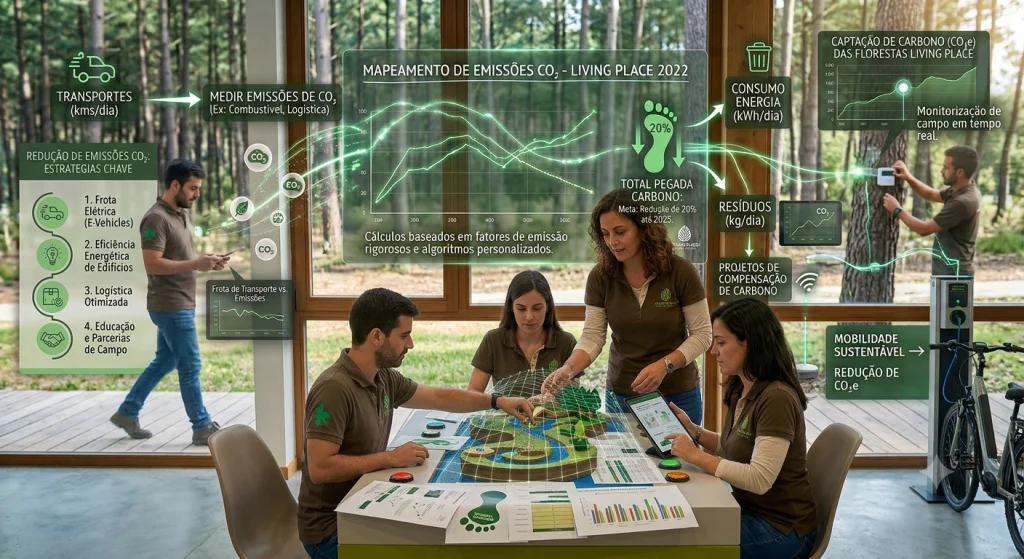
In 2022, Living Place dedicated itself to researching, studying, and developing its own rigorous formulas to accurately measure the Carbon Emissions (CO2) resulting from its tourism and environmental education operations and activities.
Key Highlights:
Scientific Rigor: Detailed mapping of emission factors related to transportation, energy consumption, waste management, and event/activity logistics.
Diagnostic Tool: Creation of customized algorithms/formulas that allow calculating the real impact of each activity provided.
Basis for Carbon Neutrality: This methodology served as the foundation for implementing concrete strategies for reducing and subsequently offsetting carbon emissions from their experiences in the territory.
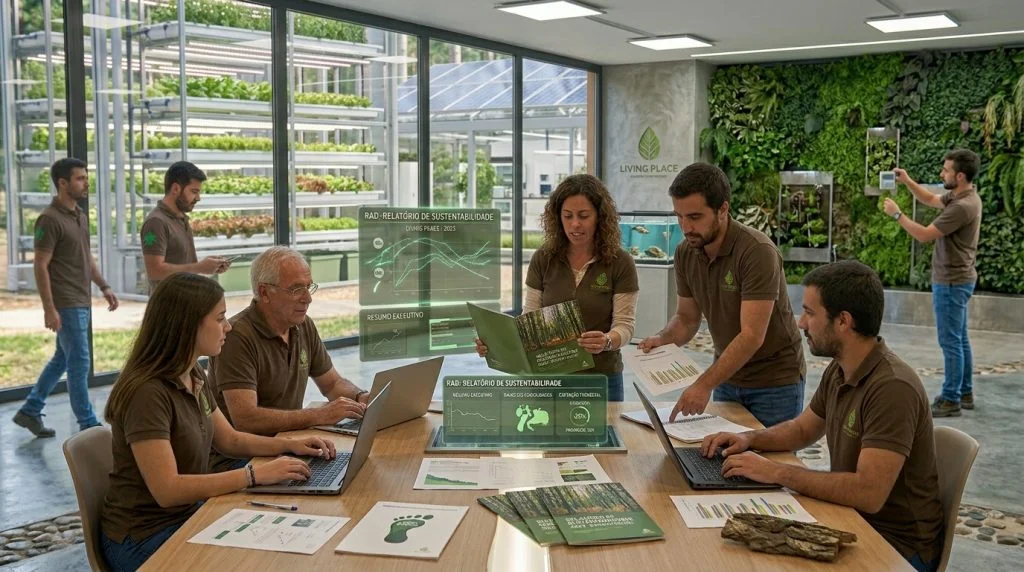
In 2023, Living Place formalized its commitment to accountability by preparing its first Sustainability Report. This document compiled all the work carried out over the years, with a special focus on data collected since the implementation of carbon footprint mapping.
Key Points of the Report:
ESG (Environmental, Social and Governance) Performance: Transparent disclosure of the impact of the company's operations and its work with the community.
Carbon and Impact Metrics: Presentation of the results and evolution of emissions (CO2) calculations, consolidated from the model created in 2022.
Future Projections and Goals: Defining clear goals for decarbonization, energy efficiency, and environmental awareness for the coming years.
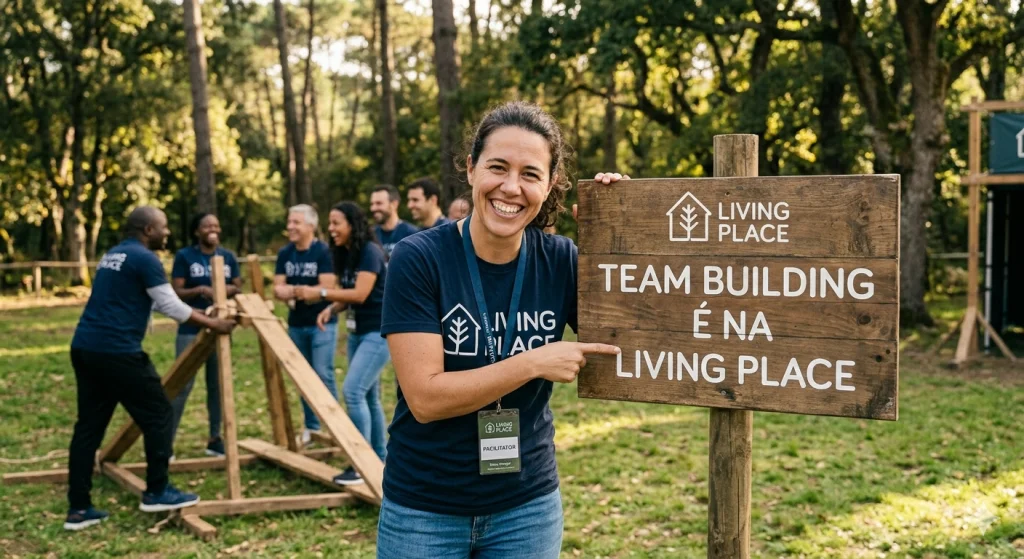
The year 2024 marks a fundamental strategic turning point in Living Place's history. The transition to a fully digital operating model is consolidated, and there is exponential growth in team-building activities, redefining how companies interact with the environment and with each other.
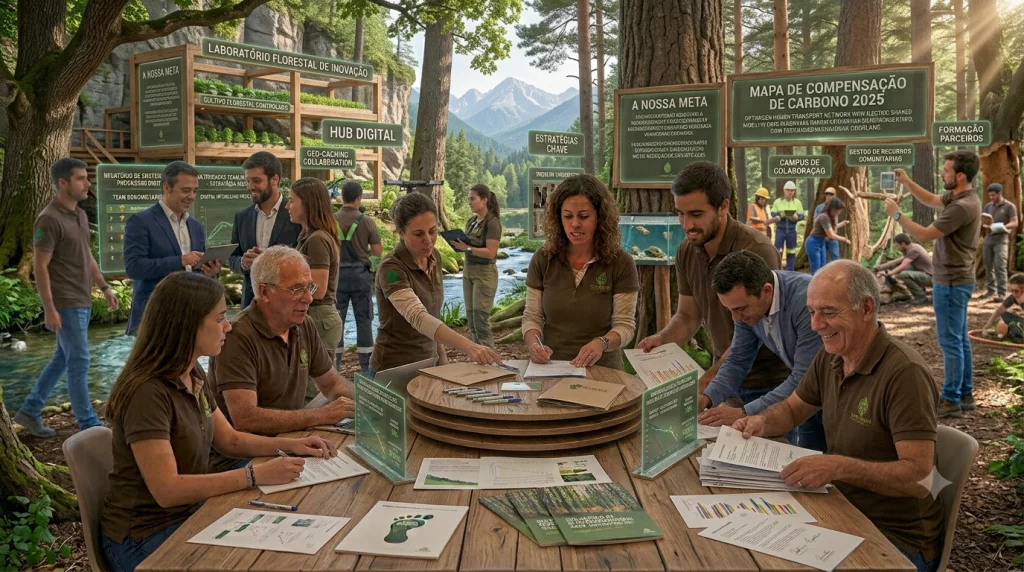
After consolidating internal monitoring, publishing the ESG report, and implementing digitalization coupled with Team Building, in 2025 Living Place successfully achieved its goal of actively influencing its stakeholders (suppliers, corporate clients, partners, and the local community) to reduce their own CO2 emissions.
Key Achievements of this Milestone:
"Green" Discounts and Incentives: Creating programs where partners and suppliers with proven carbon reduction targets receive preferential collaboration conditions.
Corporate On-the-Job Training: The Team Building activity incorporated practical modules on calculating and reducing emissions, enabling other companies to replicate the Living Place model.
Zero Carbon Partner Network: Creating a local alliance of companies and entities that share data and best practices in energy transition and sustainable mobility.
Throughout 2025, Living Place did not limit itself to simply achieving the goal of influencing its network of corporate partners. The period was marked by the consolidation of a robust Sustainable Growth model and the formalization of Quality Partnerships that raised the organization's performance standard.
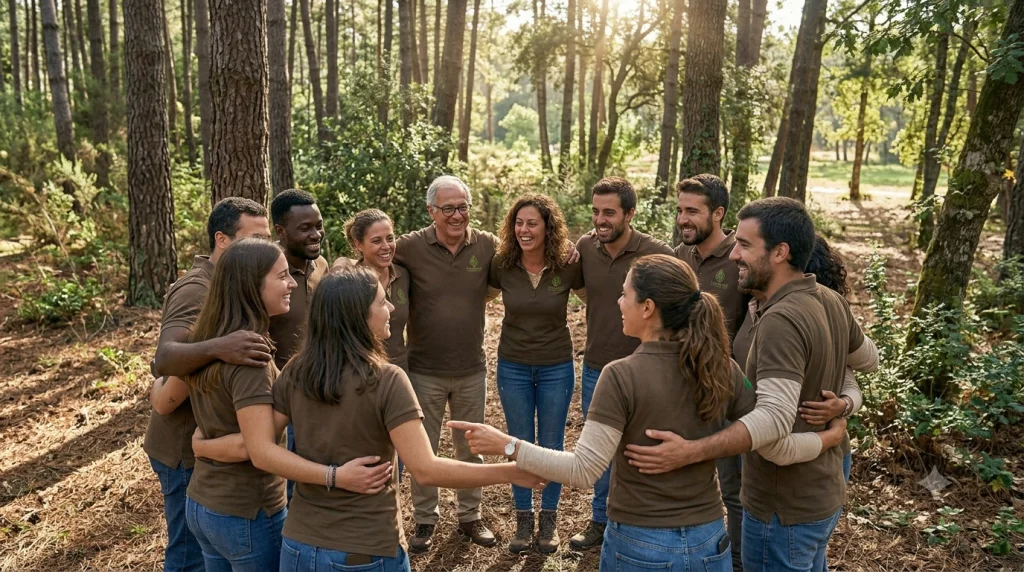
The year 2026 marks a phase of maturity, acceleration, reach, and greater visibility for Living Place. The consolidation of our reputation in the sustainable market has driven the digital transformation of our customer service, the geographic expansion of our operations, and the strengthening of our most valuable asset: our people.


