1. Introduction: A New Era of Transparency in Consumption with Directive (EU) 2024/825
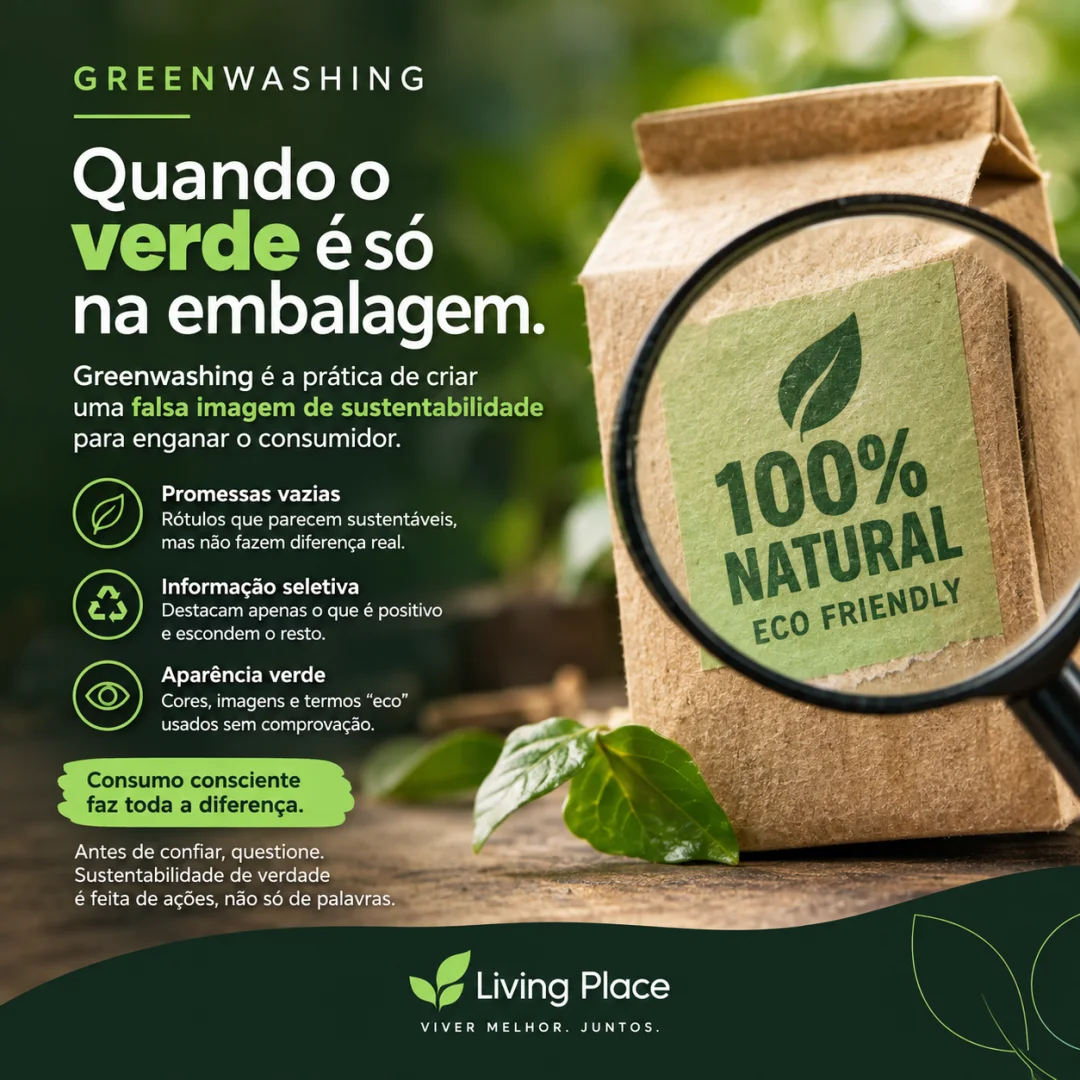
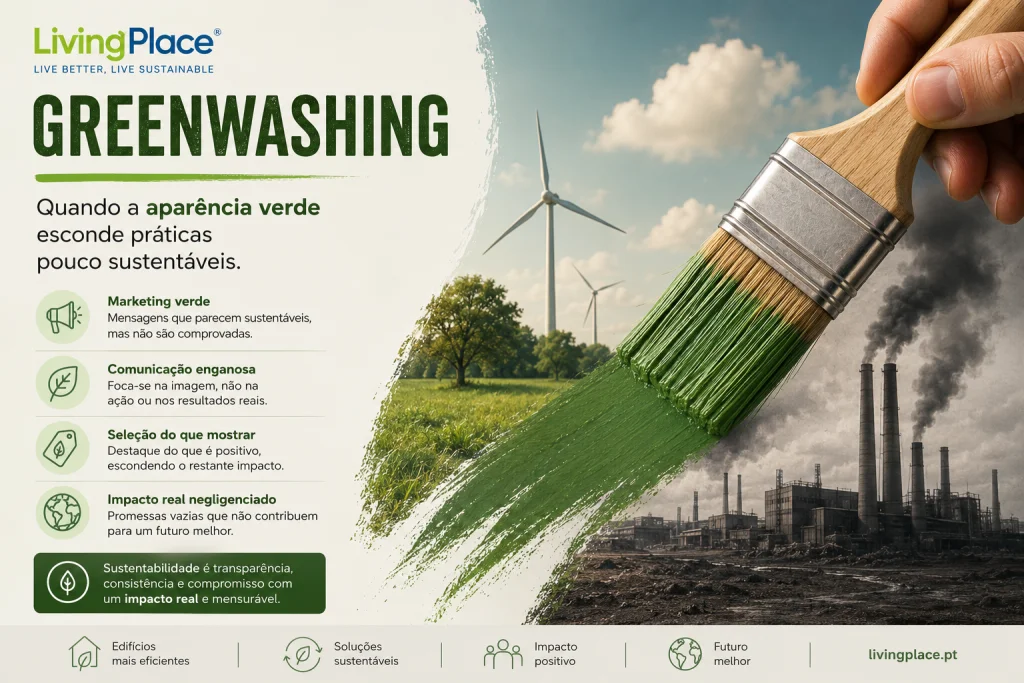
Why Directive (EU) 2024/825? In recent years, the concept of sustainability has moved from the center of environmental debate to the heart of companies' marketing strategies. Terms such as "environmentally friendly," "eco-friendly," "carbon neutral," or "biodegradable" have flooded store shelves and digital ecosystems. However, accompanying this proliferation of green messaging, a growing challenge has emerged: greenwashing, characterized by the use of vague, misleading, or simply unsubstantiated environmental claims.
To address this problem and truly empower citizens in the ecological transition, the European Union formally adopted Directive (EU) 2024/825. This legislation amends previous directives on unfair commercial practices (2005/29/EC) and consumer rights (2011/83/EU), establishing a rigorous legal framework that redefines how companies can communicate the environmental value of their products and services.
2. What is Directive (EU) 2024/825 and what is its purpose?
Directive (EU) 2024/825 is the European legislative response to the need to protect consumers against unfair marketing practices and to support the circular economy. Its central objective is to ensure that every environmentally conscious purchasing choice is based on transparent, verifiable and scientifically sound information.
🗓️ Important Legal Deadlines and Timelines
- March 26, 2024: Official entry into force of the directive in the European Union.
- March 27, 2026: Deadline for Member States (including Portugal) to transpose the standard into national legislation.
- September 27, 2026: Full implementation of the rules across the European market. From this date, all companies must comply with the new communication and labeling requirements, under penalty of heavy sanctions.
3. The End of Deceptive Practices: What Will Become Prohibited?
The new legislation adds new conduct to the European blacklist of business practices prohibited under any circumstances:
3.1 Generic Environmental Claims Without Evidence
Vague expressions such as "green," "nature-friendly," "ecological," "sustainable," or "biodegradable" are expressly prohibited unless they are based on recognized and demonstrable excellent environmental performance through official certifications or European legislation.
3.2. False Carbon Neutrality
One of the most relevant points of the directive is the prohibition of classifying a product or service as "carbon neutral," "with a reduced CO₂ footprint," or "offset" if that claim is based on the use of external emissions offsetting programs outside the product's own value chain.
3.3. Non-Certified Sustainability Labels
The use of "self-regulated" eco-labels or those created by the brands themselves is no longer permitted. Only labels based on independent certification systems established by public authorities or validated by third parties will be valid.
3.4. Planned Obsolescence and Concealment of Limitations
It is prohibited to omit information about software updates that negatively affect the functioning of devices or to falsely present products as repairable when no replacement parts are available on the market.
4. Advantages and Direct Benefits for People
The implementation of the Directive brings concrete advantages to the daily lives of European and Portuguese consumers:
- Informed Purchase Decisions: Assurance that a product labeled as sustainable meets stringent environmental performance requirements.
- Protection Against Hidden Costs: Greater transparency regarding the durability and repairability of goods (appliances, technology, housing, and construction).
- Harmonized Warranty Notice: Introduction of a uniform European visual notice highlighting the legal warranty and the existence of lasting commercial warranties.
- Real Combat Against Climate Change: Consumption is effectively directed towards companies that reduce their emissions at the source, instead of resorting to passive marketing schemes.
5. The Impact on Businesses: Challenges and Opportunities for Transition
For businesses, Directive (EU) 2024/825 requires a thorough review of communication, marketing, compliance and product development strategies.
| Dimension | Before Directive 2024/825 | After September 2026 |
|---|---|---|
| Brand Communication | Free use of generic slogans (“Eco”, “Sustainable”). | Claims require technical and certified documentary evidence. |
| Environmental Labels | Custom logos developed by the company. | Only official labels (e.g., EU Ecolabel) or those validated by third parties are accepted. |
| Carbon offsetting | Use of CO₂ credits to advertise “zero impact”. | It is forbidden to proclaim neutrality based solely on external compensation. |
| Product Information | Exclusive focus on primary sales attributes. | Obligation to provide information on repairability index and warranties. |
Despite the stringent requirements, this change represents a huge opportunity for companies genuinely committed to sustainability. Organizations that invest in total transparency, circular economy, and ecodesign will stand out in a market where trust becomes the most precious asset.
6. Conclusion: Living Place's Commitment to the Future
The transition to a truly sustainable economic model requires shared responsibility among policymakers, citizens, and businesses. At Living Place, we believe that the housing and well-being of the future necessarily involve energy-efficient buildings, durable materials, and communication guided by the highest ethical standards and clarity.
Monitoring and disseminating legal advancements in the European Union is our commitment so that our clients, partners, and readers can always make the best decisions for their lives and for the planet.
Follow more content about Sustainability, Housing and Energy Efficiency:
Visit our blog regularly at https://livingplace.pt for practical guides, news and advice.
The images in this article were generated by AI.
1. From what date do the new anti-greenwashing rules come into effect in Portugal?
Directive (EU) 2024/825 officially entered into force in the European Union on 26 March 2024. Member States, including Portugal, have until 27 March 2026 to adapt their national legislation. However, the rules will become mandatory for all companies from 27 September 2026, from which date unsubstantiated environmental claims will be sanctioned.
2. What happens to brands that continue to use terms like "eco," "sustainable," or "environmentally friendly"?
From September 2026, the use of generic environmental claims without prior documentary evidence or recognized official certification will be considered an unfair and prohibited business practice. Companies that violate these rules are subject to fines and sanctions provided for in national consumer protection and competition law.
3. Can I continue advertising a product as "carbon neutral" using CO₂ credit purchases?
No. The new directive expressly prohibits products or services from being presented as "CO₂ neutral," "impact neutral," or "with a reduced footprint" if this claim is based on emissions offsetting schemes outside the product's own value chain. Only the effective and direct reduction of environmental impact in production can be communicated.